
A launch has one job — make the room believe the product changes something. Here's how that's built.
A product launch has one job: make the room believe this product changes something. That is a directing problem before it's a production problem — where the reveal sits in the run of show, what the room sees in the ten seconds before the cover comes off, how sound and light land the beat. Get the production plan right and none of that matters if the dramaturgy is weak; get the dramaturgy right and the technical plan is what makes it land.
Start with the reveal moment, not the run of show
Work backwards from the single moment the product is seen. Everything before it — welcome remarks, brand film, speaker segments — should be building tension toward that moment, not treated as separate agenda items. This is a scripting exercise as much as a production one.
Technical plan: LED, motion and lighting cues
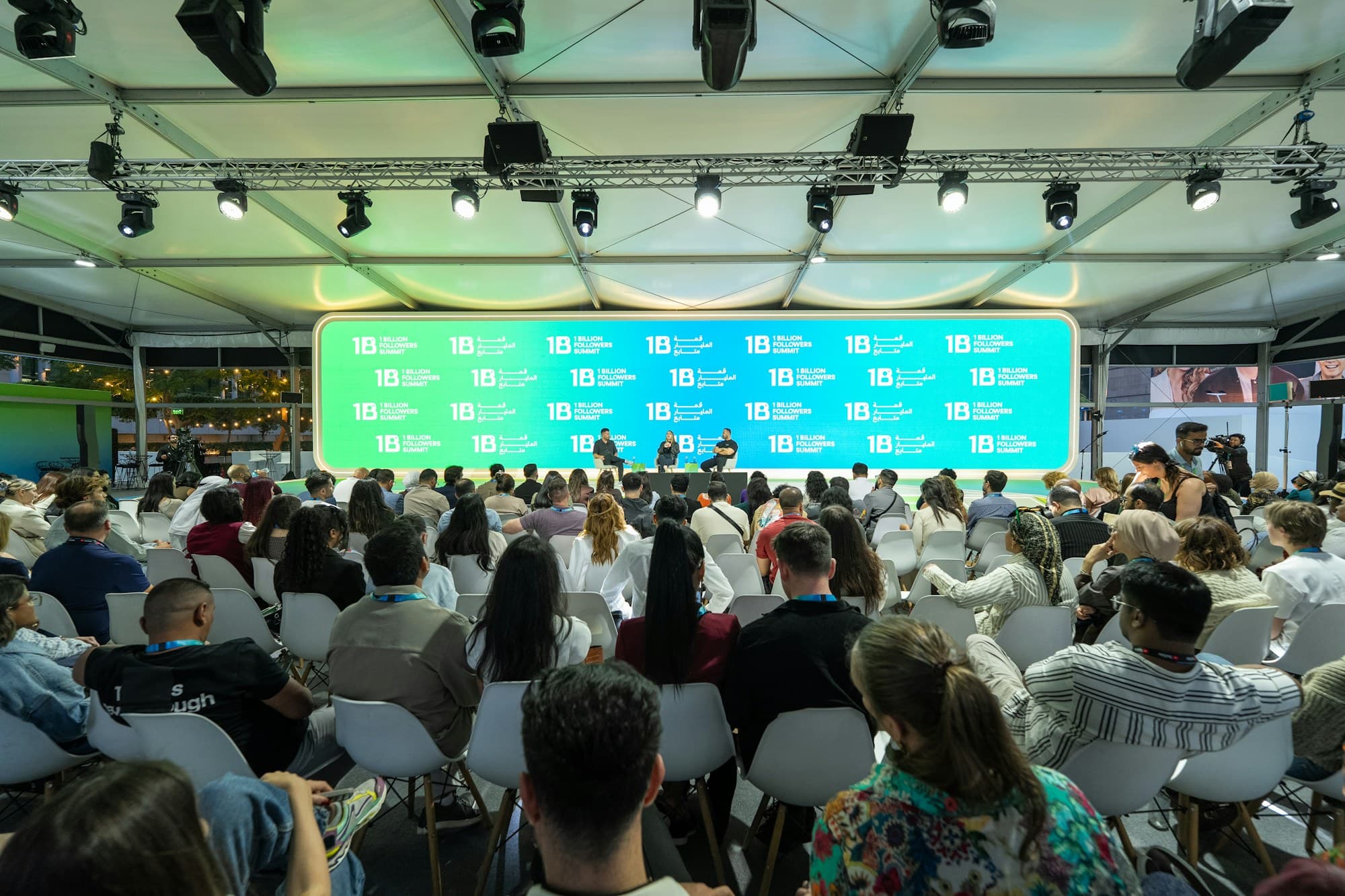
Once the reveal moment is scripted, the technical plan follows: LED wall content mapped to the exact reveal timing, motorised staging if the product needs a physical unveiling mechanism, and lighting cues rehearsed against a click track so the presenter never has to think about timing manually.
Media and confidentiality logistics
Press check-in, embargo-safe backstage routing and a controlled photo-op zone need to be planned with the same rigour as the stage. Restricted backstage access and an embargo briefing for every vendor and crew member on-site are standard for any launch where the product needs to stay covered until the reveal.
Rehearse the whole sequence, not just the speech
A full technical and presenter rehearsal — including the reveal mechanism itself — should happen before a single guest enters the room. Most launch-day failures trace back to a reveal mechanism or cue that was never tested under full technical load beforehand.