The right event management company is a logistics partner, not just a decorator. Here's what to actually check before you sign.
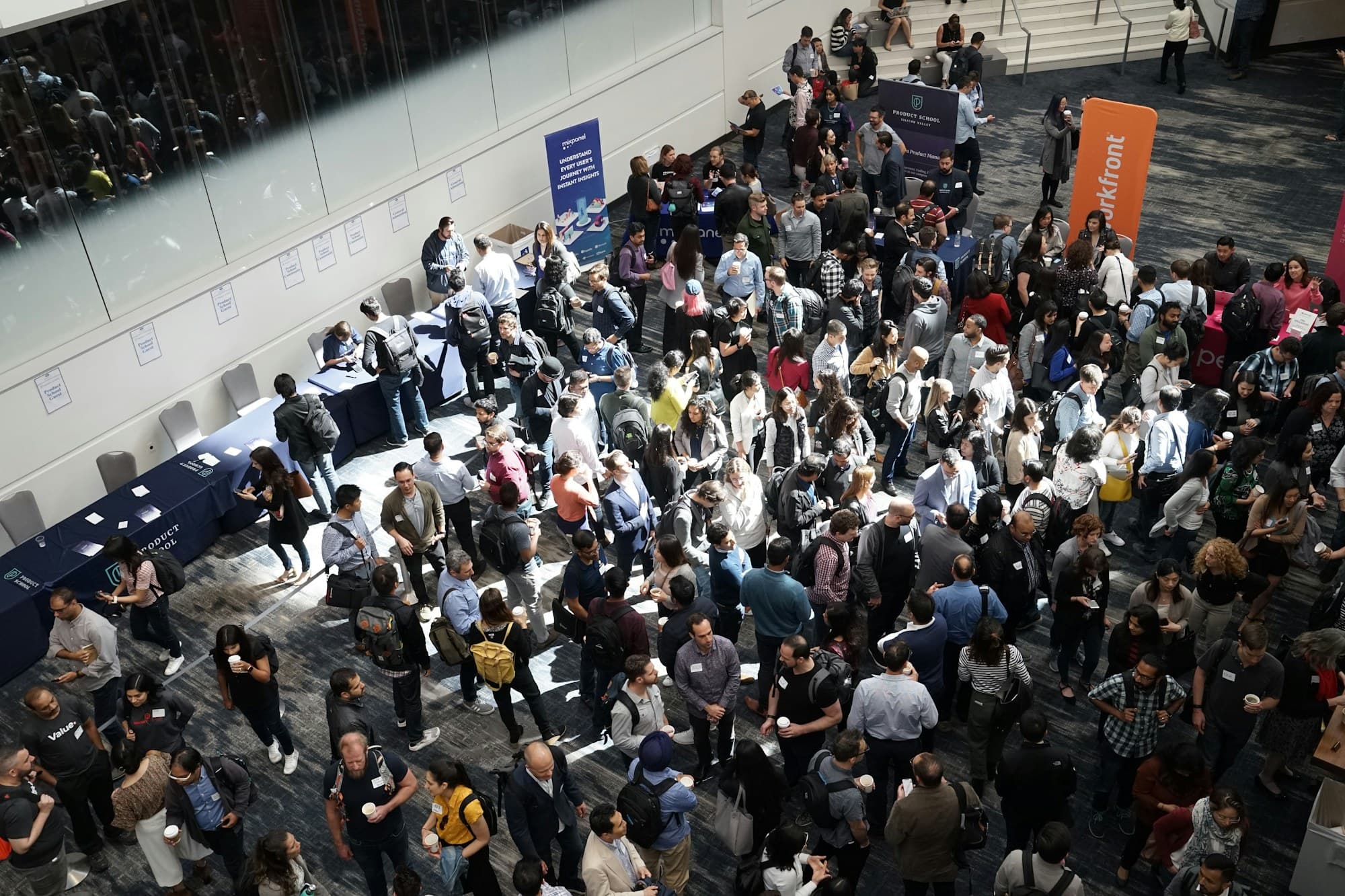
Most people shortlist an event management company on portfolio photos alone. Photos tell you what a room looked like for one hour on one night — they don't tell you whether the same company can hold a floor plan together across a 20,000-footfall exhibition day, or absorb a last-minute VIP change without the run of show falling apart. In Kerala's event market, where the same handful of names organise everything from a wedding mandap to a government conference, the difference between vendors is almost entirely in production discipline, not creative taste.
Ask what scale they've actually run, not just what they've decorated
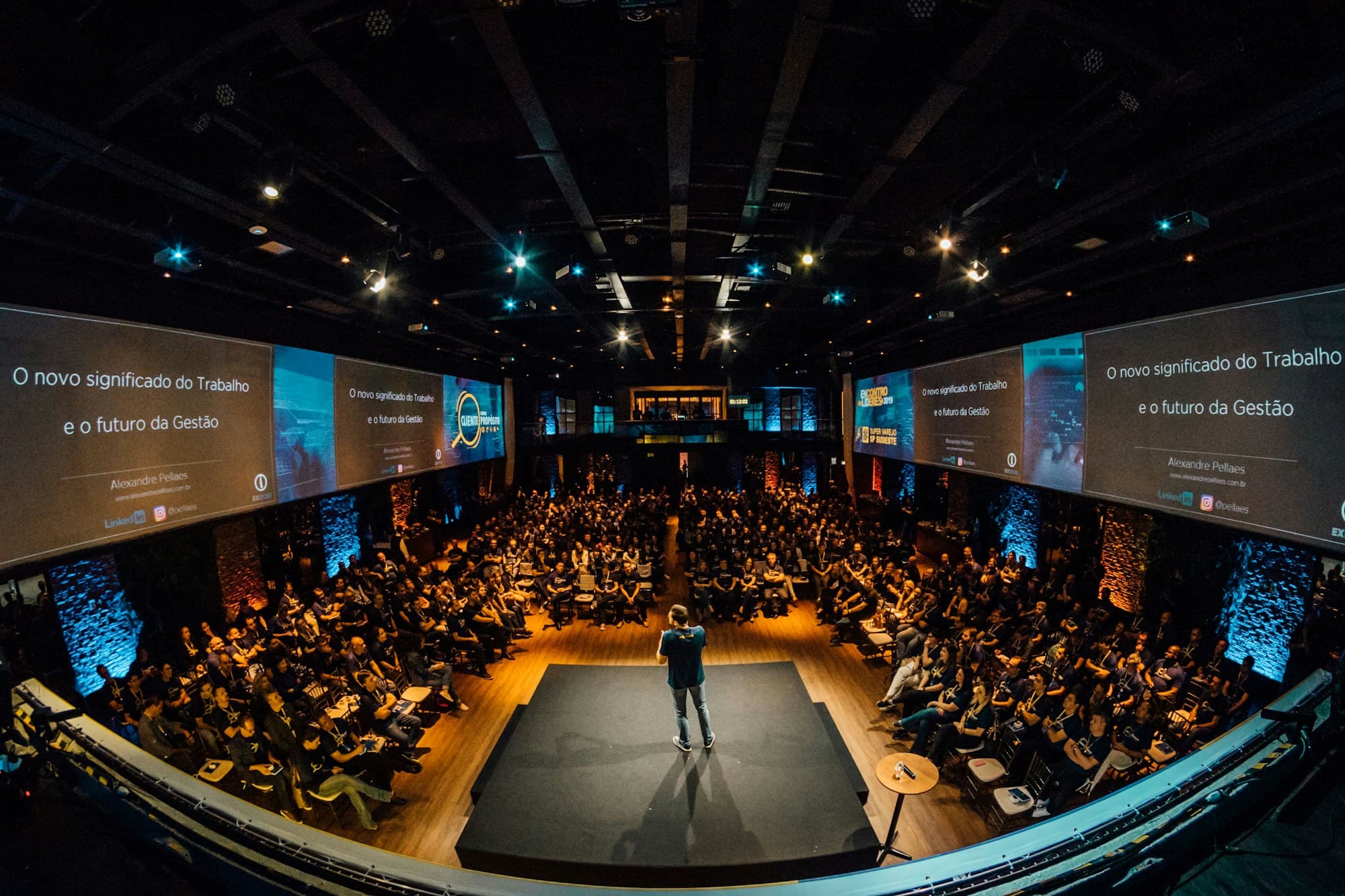
A company that has only ever produced 200-guest functions will manage a 200-guest function well and a 2,000-delegate conference badly, because the two require entirely different systems — crowd flow, registration throughput, multi-zone communication, contingency staffing. Ask for the largest event they've run in the last two years, by footfall or delegate count, not by budget.
For exhibitions and expos specifically, ask about hall allocation experience, exhibitor move-in coordination and fire/structural compliance — these are the parts that don't show up in a highlight reel but are what actually make or break a multi-day show.
Understand what they own versus what they outsource
Event companies fall into two categories: those with in-house AV, lighting and production capability, and those who broker every technical element out to third-party vendors on a per-event basis. Neither is automatically wrong, but the second model means your show quality depends on whoever happened to be available that week. Ask directly which parts of the technical stack — sound, lighting, LED, rigging, stage carpentry — are in-house versus subcontracted.
Read the proposal for ownership, not just pricing
A strong proposal names a single point of accountability for your event, not a list of departments. It should describe a process — site visit, run-of-show draft, vendor confirmation, rehearsal — not just a quote. If a proposal reads like a price list with no mention of who owns problems on the day, that's a signal worth taking seriously.
Ask about the failure mode, not just the success story
Every experienced event company has a story about something that went wrong — a delayed shipment, a monsoon downpour on an outdoor wedding, a speaker who no-showed. What matters is not that it happened, but whether they had a contingency plan already built in. Ask directly: 'what's your backup plan if X fails?' A company that answers specifically, rather than reassuring you vaguely, has actually run events at scale before.